Translations from the Tamil
Meena Kandasamy has been translating from Tamil for nearly twenty-five years — and never as a neutral conduit. She was nineteen when Talisman, her translation of the Dalit Panther leader Thol. Thirumavalavan, was published. Since then she has carried into English the voices English was least willing to hear: the Liberation Panthers of Tamil Nadu, the rationalist fury of Periyar, the poets who bore witness to the genocide in Eelam, the women fighters of the Tamil Tigers, and a generation of Tamil women poets whose feminism begins with the body and refuses caste.
Hers is translation as activism: movement-adjacent, disruptive, carried out with revolutionary zeal. She began, she has said, because of the gatekeeping of voices along lines of “caste and class and gender and race” — and each of these books is an act of breaking that gate.
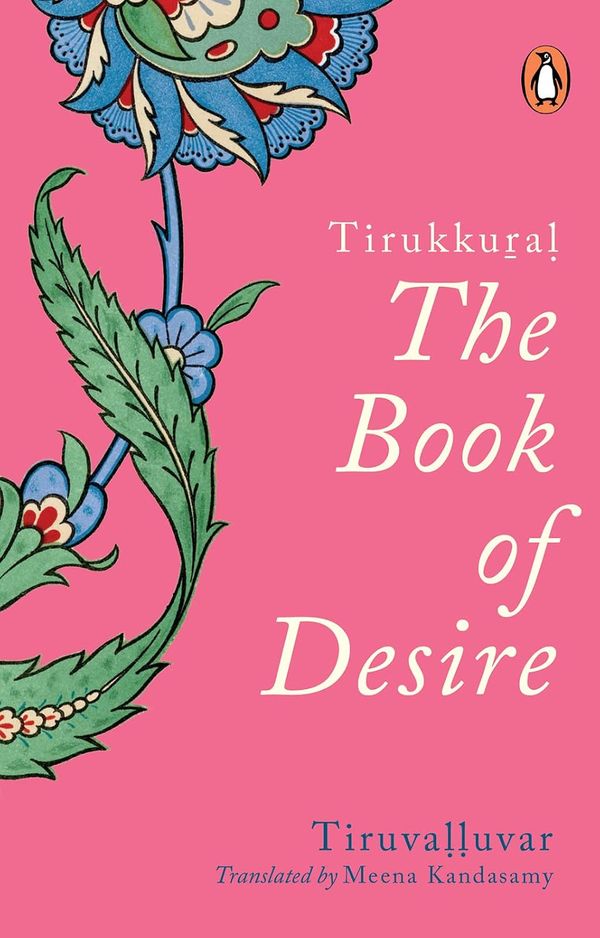
The Book of Desire
The third book of the Tirukkural, the two-thousand-year-old song of love and desire, is also its most heavily censored — sanitised, moralised or simply left untranslated by the men who dominated its reception. Kandasamy’s is only the second English translation of it by a woman. Across 250 kurals, under headings such as “The Pleasure of Sex”, “Renouncing Shame” and “The Delights of Sulking”, she restores its heat, reclaiming the text for female sensuality, agency and desire.
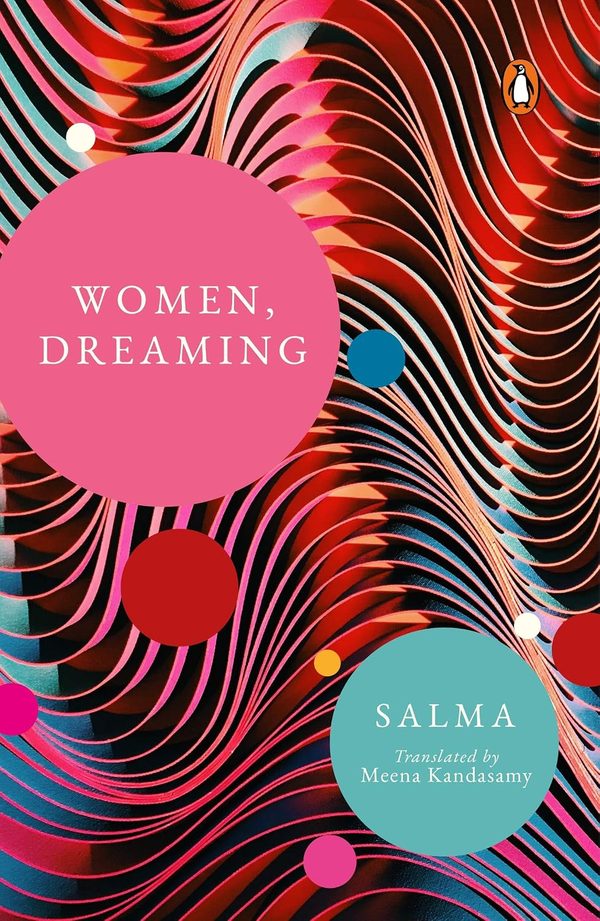
Women, Dreaming
In a small Muslim town in Tamil Nadu, six women — Mehar, Asiya, Sajida, Subaida, Parveen and Amina — hold their lives together through faith in themselves and in one another. Salma, one of the most fearless voices in contemporary Tamil, enters their inner worlds as they navigate love, religion, marriage and the daily compromises of their lives while dreaming of something better. Kandasamy’s translation carries the intimacy and quiet rebellion of the original into English.
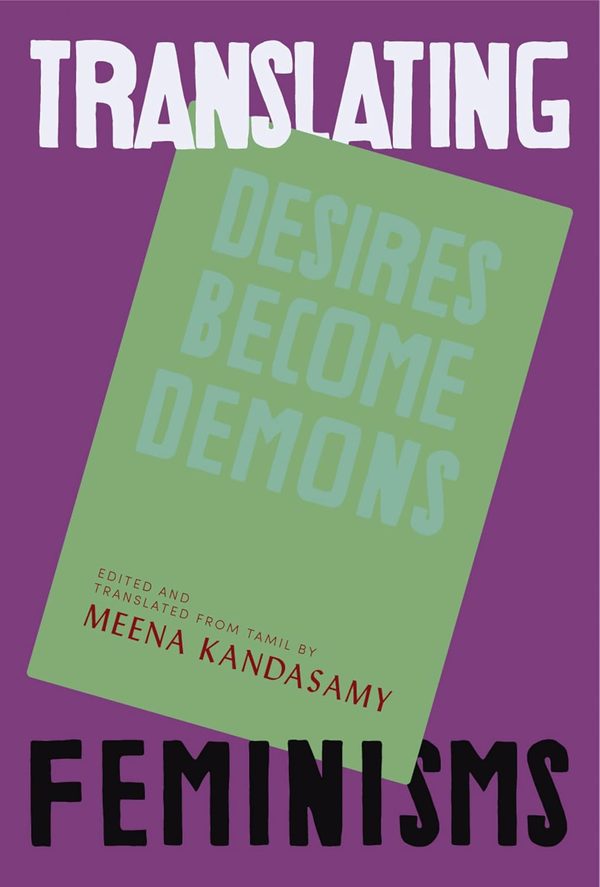
Desires Become Demons: Four Tamil Poets
Four women who broke open Tamil poetry by writing the female body without apology — and were vilified for it. Kandasamy calls them “crucial, radical voices” whose feminism attacks the caste system and tears apart the charade of Indian nationalism. Her introductory essay argues that caste is the great barrier to feminism in Tamil Nadu and in India. This is, in her words, poetry that says: “Listen. Learn.”
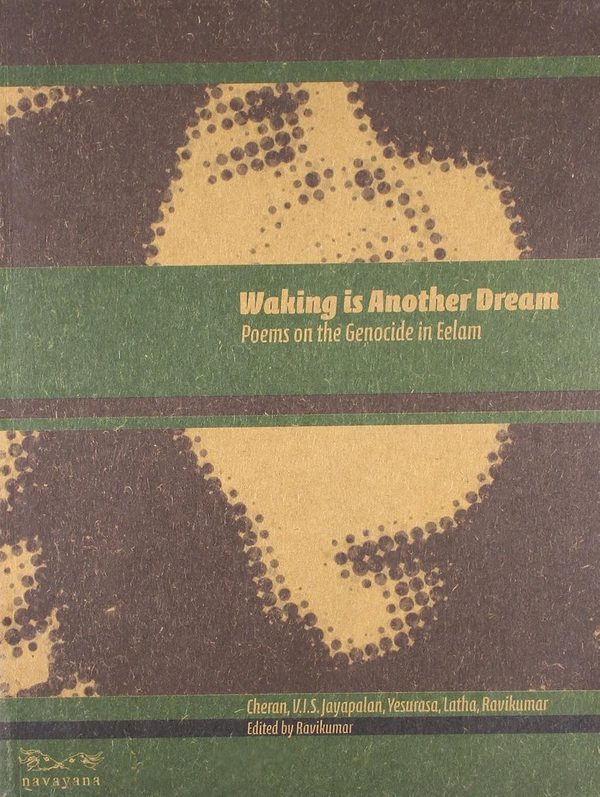
Waking is Another Dream: Poems on the Genocide in Eelam
Published barely a year after the Sri Lankan state’s war against the Tamils ended in the massacres of 2009 — when the world had already looked away — this anthology brought the poetry of Eelam into English for the first time. Written from inside the catastrophe and from exile, these poems of siege, loss and memory stand as testimony against forgetting. It was the beginning of a commitment that would lead to The Orders Were to Rape You, her book on — and translation of — the women poets of the Tamil Tigers.
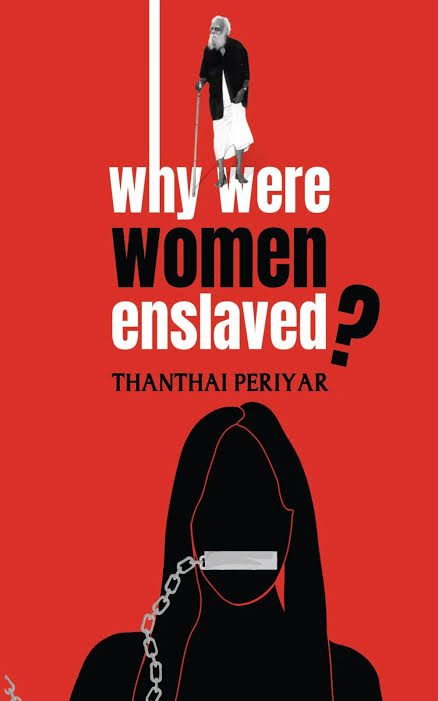
Why Were Women Enslaved?
Periyar’s 1942 polemic is one of the most radical feminist texts written in India: an assault on chastity, arranged marriage, dowry and the whole architecture of patriarchy, decades ahead of its time. In rendering it into English, Kandasamy placed the founder of the Self-Respect Movement squarely in conversation with world feminism — arguing, as he did, that women’s liberation cannot be separated from the fight against caste and religion.
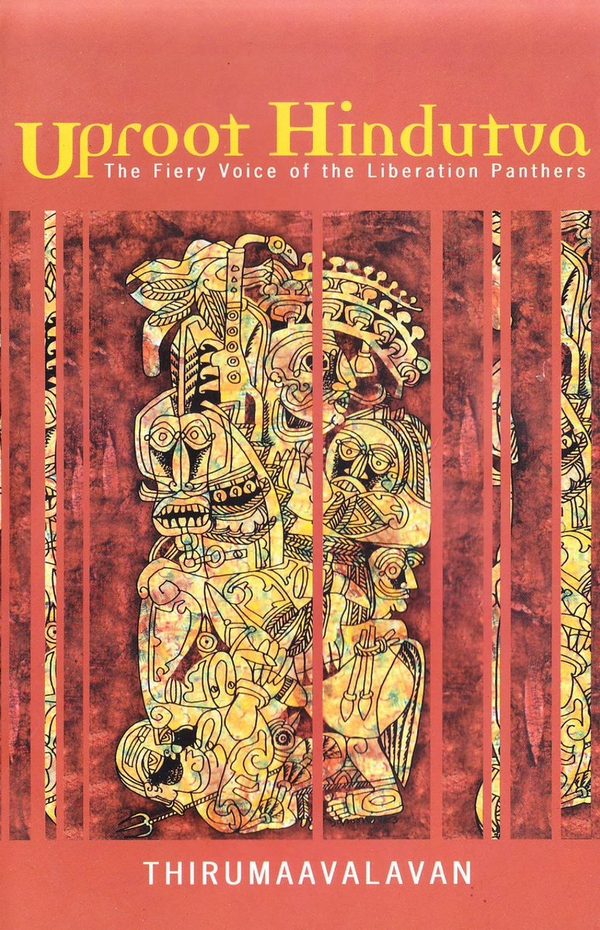
Uproot Hindutva: The Fiery Voice of the Liberation Panthers
The leader of the Viduthalai Chiruthaigal — the Liberation Panthers — dissects how Hindutva, the ideology of the Hindu right, sustains the hegemony of caste. Ranging across Tamil identity, the Eelam liberation struggle, the right to religious conversion, women’s rights, Dalit heritage and Ambedkar’s principles, it announced new currents in Dalit politics to English readers years before Hindutva’s rise to power made them urgent.
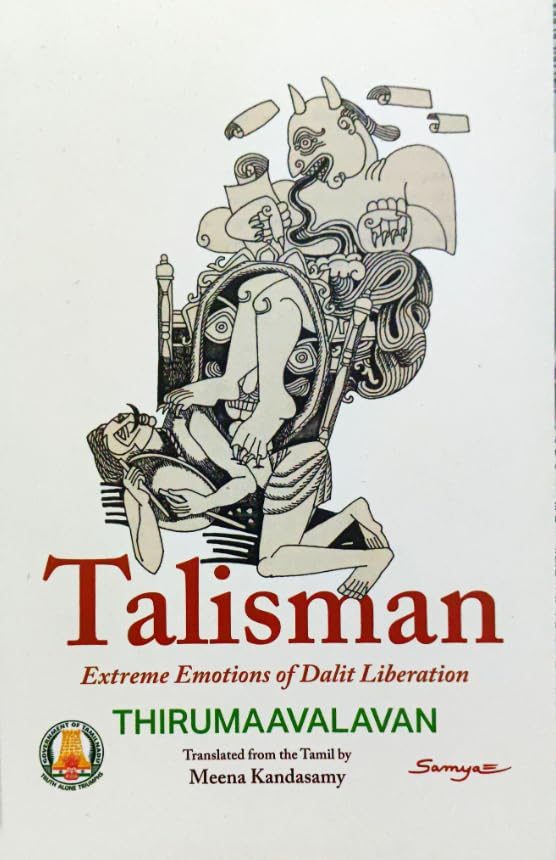
Talisman: Extreme Emotions of Dalit Liberation
Translated when she was still a teenager, Talisman was the first time Thirumavalavan’s writing reached English. These essays confront caste atrocities, the authoritarian state and the psychological wound casteism inflicts, speaking to Tamil political, economic and cultural life from the ground up. Kandasamy took on the book, she has said, to fill “a huge void” in what was being read in English — and it set the course for everything that followed.