Selected Projects
THE EELAM DIALOGUES: VOICES OF RESISTANCE
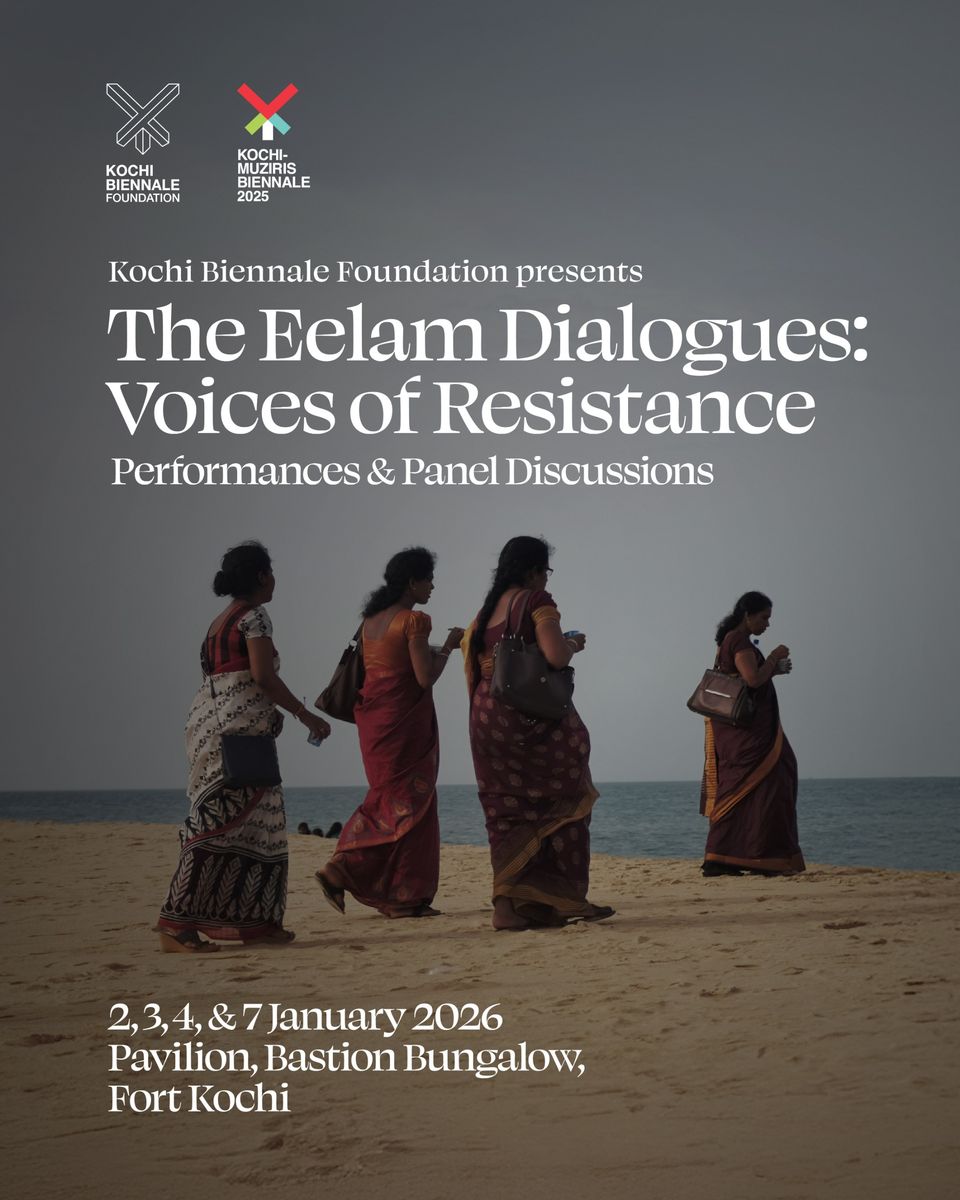
Alongside Dr Nimmi Gowrinathan, whose political writing and scholarship Meena Kandasamy adores, she co-curated The Eelam Dialogues: a multimedia exhibition of seven Tamil artists from Eelam, Tamil Nadu and the diaspora — archived prints, sculpture, collage, painting, film and embroidery — tracing the political and historical contours of Eelam: Ilavenil Vasuky Jayapalan, T. Vinoja, T. Krishnapriya, K. Thabendran, Sindu Sivayogam and Brintha Koneshachandra among them.
Alongside the exhibition, the two convened a week of panels, performances, readings and lectures. Meena gave the opening address and moderated “The Struggle of Memory Against Forgetting” with the exhibiting artists and “Our Songs Are Warriors in Camouflage”, a poetry session with Gowri Koneswaran, Enbah Nilah, V.I.S. Jayapalan and P. Ahilan. Gowrinathan moderated “Fracturing”, on writing separation and exile, with Meena and T.U. Senan.
The programme also brought “Drumbeats of Rebellion”, with Bhi Bhiman, Sollisai Podiyan and Arivu; “The Last Refuge: Theatre in Eelam”, with D’Lo, Professor Sithamparanathan and Rani Moorthy; and a closing conversation between Anuk Arudpragasam and Nimmi Gowrinathan.
WE WILL FIGHT / WE WILL WIN
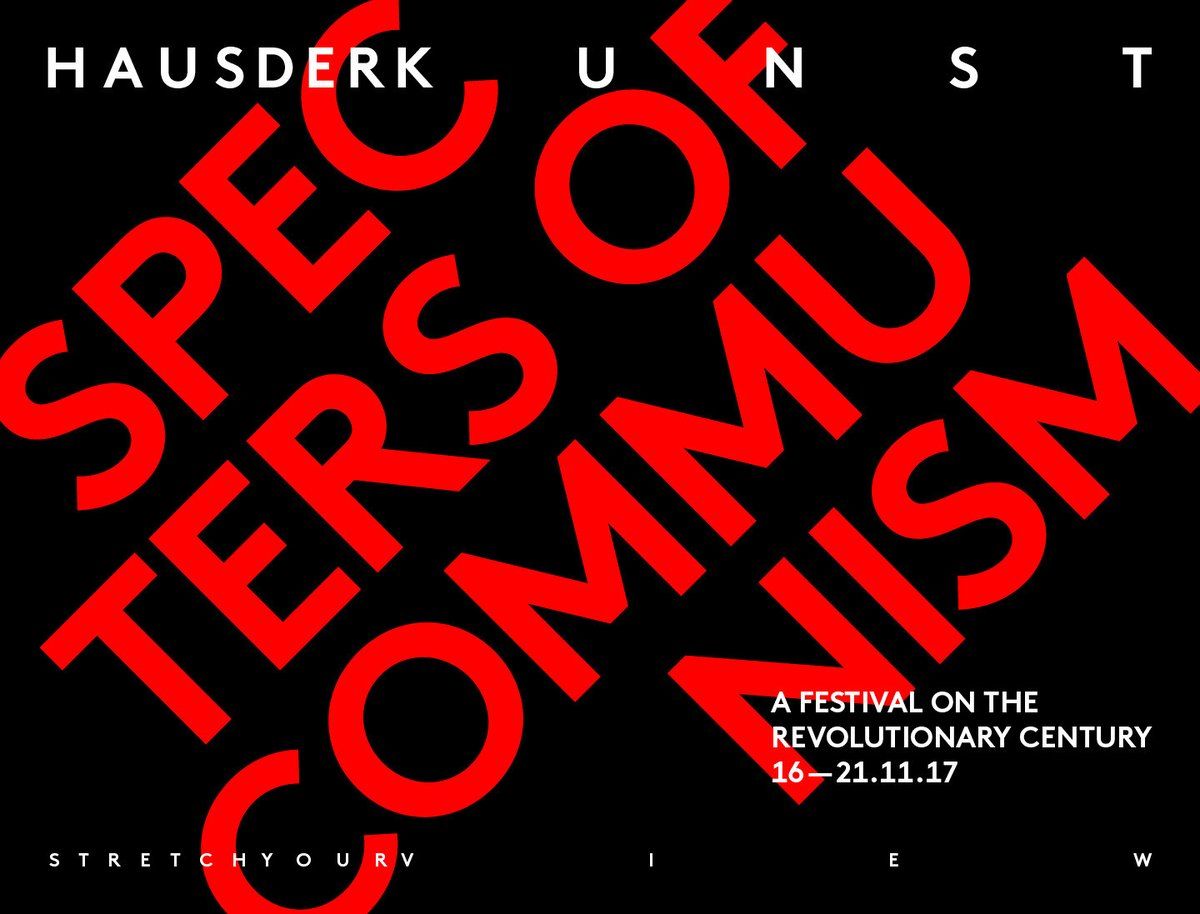
A performed speech act in two parts, in “The Adventures of Will and Intelligence”, the sequence convened by Raqs Media Collective with Lantian Xie and Jay Pather. A century after the Russian Revolution, it returns militant women workers and Dalits to the centre of socialism’s history, reading Marx with Ambedkar, from the Vyborg women workers of 1917 to Bangalore’s garment-worker strike of 2016.
The performance later became a long essay, published in Dress: An Anthology Celebrating Clothes and Style (Vogue India) and in Dressays: An Anthology of Writing about Clothing, edited by Rosie Findlay (Bloomsbury).
VECTORS OF KINSHIP
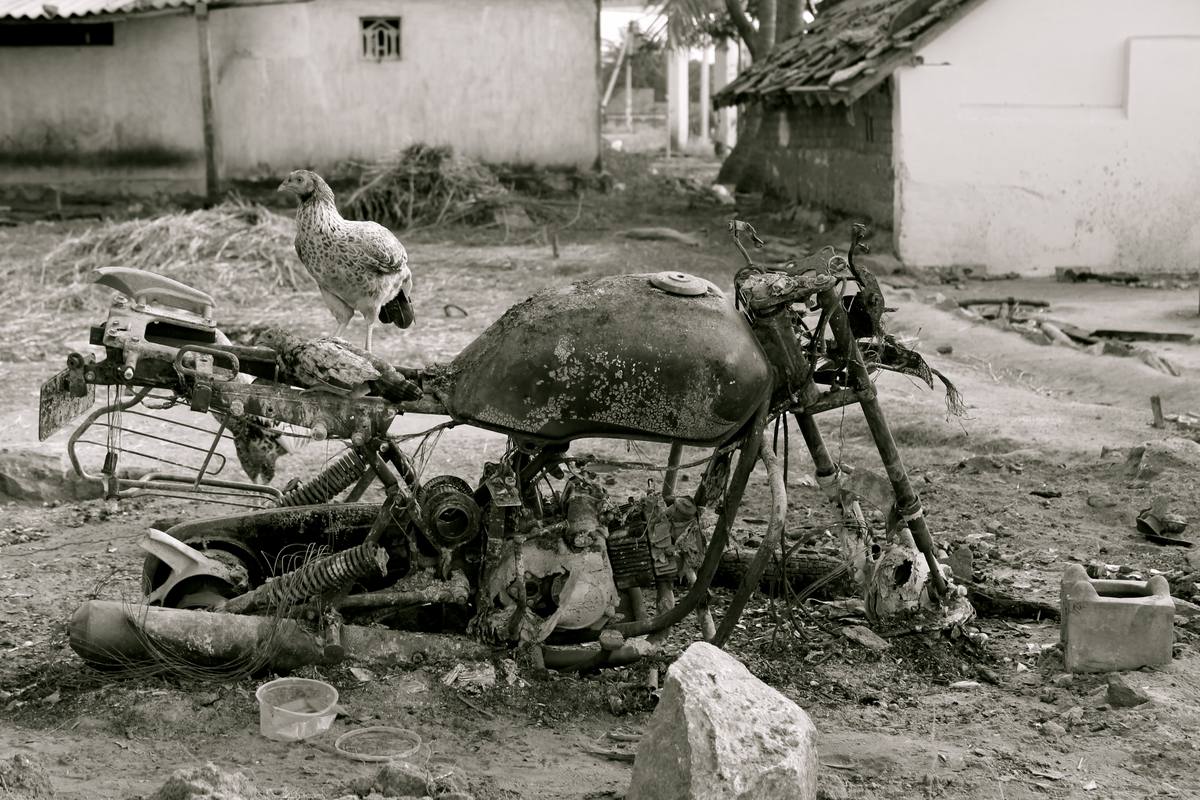
This infra-curatorial project showed Meena’s poetry reading among protesting students (January 2016) and her photographs from the site of a caste atrocity in Dharmapuri (October 2012).
ORAALPPOKKAM (SIX FEET HIGH)
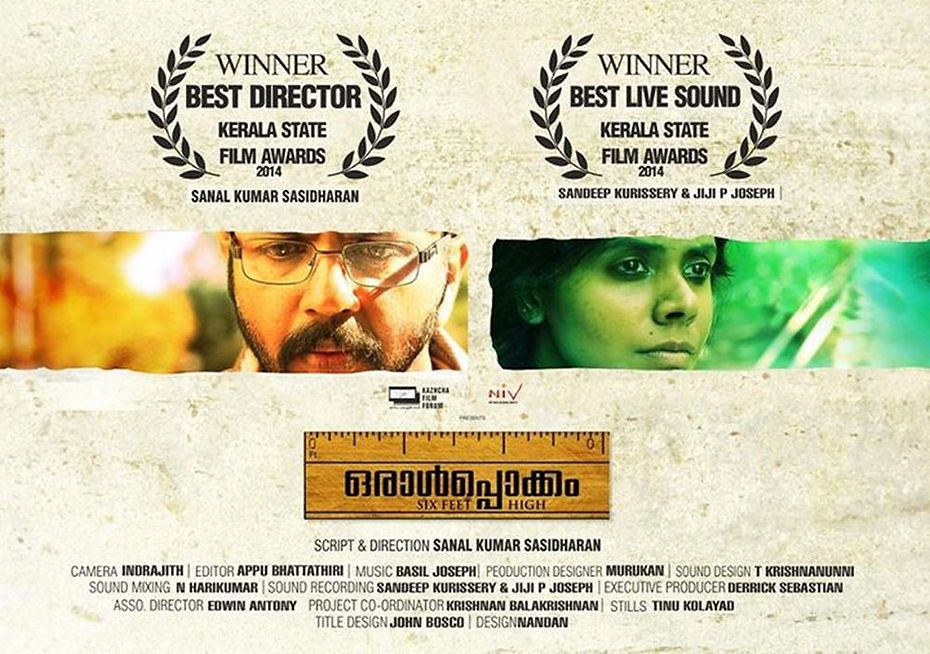
The first Malayalam film made entirely through online crowdfunding. It premiered at the International Film Festival of Kerala, where it won the NETPAC and FIPRESCI awards, and won Kerala State Film Awards for Best Director and Best Live Sound.
EDITING
Varavara Rao: A Life in Poetry, co-edited with N. Venugopal, Vintage / Penguin Random House India, 2023 — the first English collection of the Telugu poet, with her introduction and translations. Out of Print, March 2015 special issue on sexual and gender violence, guest-edited with Sam Arni — winner of the National Laadli Media Award for Gender Sensitivity. Helter Skelter Anthology of New Writing, Volume 6, with Eunice de Souza, 2018. Editor, The Dalit, 2002.
BONDAGE & SUBMISSION (TRIPTYCH)
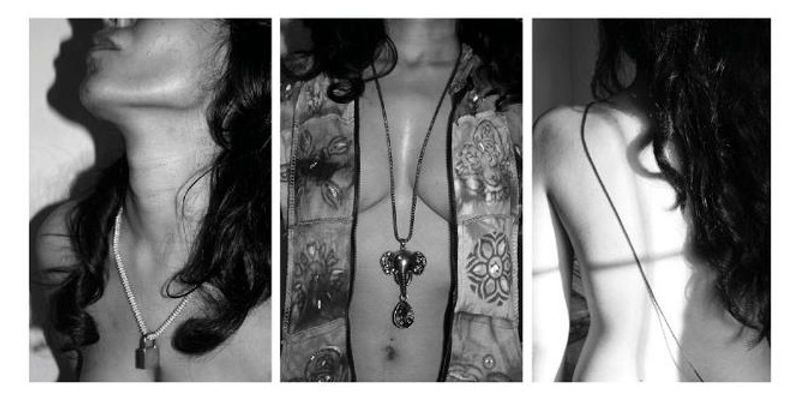
Tyranny and taboo mark the woman’s body. Inscriptions and exclusions are written on it by caste, patriarchy, religion and the state. The artist, as a prisoner of this regimented body, can sometimes use the very symbols that exclude and mark her as weapons. Words, as much as images, inflict violence; and these very words and images can be turned on their heads to reclaim the body. Shown in a group show of 24 women artists from across India.
PIX QUARTERLY — THE INTERIOR
Writing in response to the photographs of the Iranian photographer Arash Fesharaki, for PIX Quarterly’s 2014 issue on “The Interior”.