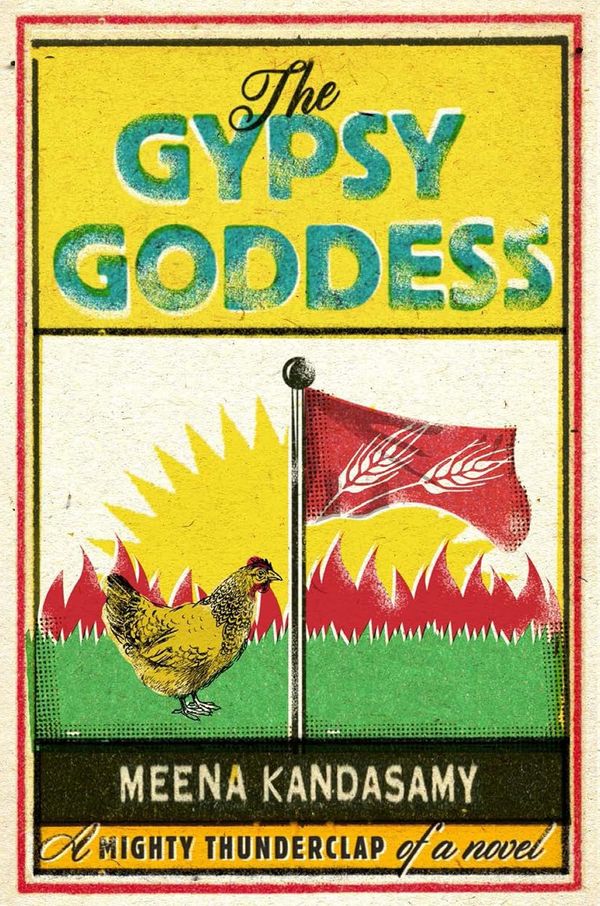
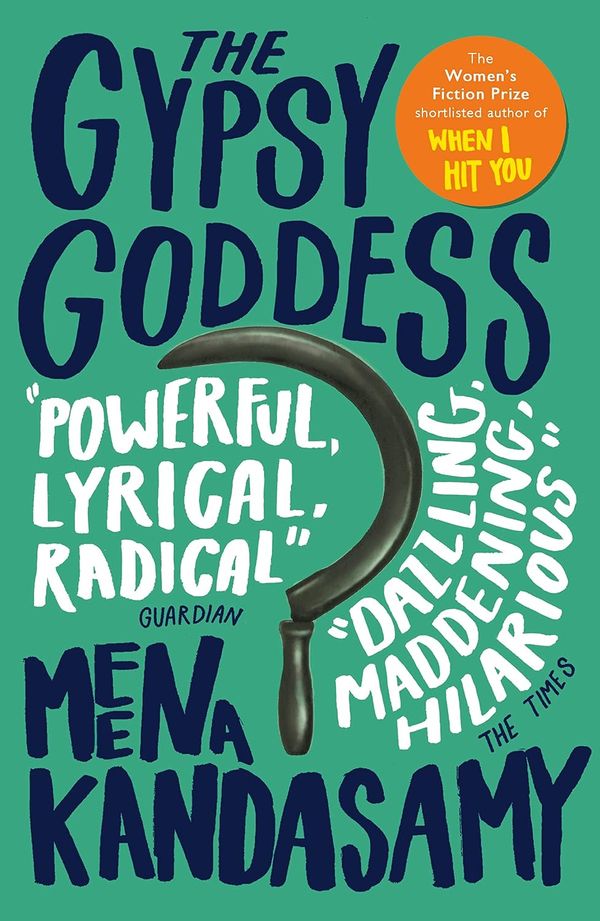

The Gypsy Goddess
“Kandasamy doesn’t just inherit a history of writing about the unspeakable and the forgotten — she rewrites the novel of violence.”
The Independent’s Debut of the Year · Shortlisted, Tata Literature First Book Award · Longlisted, International Dylan Thomas Prize and DSC Prize for South Asian Literature
Tamil Nadu, 1968. Village landlords rule over a feudal system that forces peasants to break their backs in the fields or suffer beatings as punishment. The Communist Party begins to gain traction, a small spark of defiance spreading from villager to villager. As communities stand against the landlords, organisers suffer grisly deaths and the flow of food dries up — which only makes the resistance burn more fiercely. Finally the landlords descend on one village, Kilvenmani, to set an example to the others …
Brilliantly original, ferociously angry and at times laugh-out-loud funny, The Gypsy Goddess is both a novel about a true-life massacre and a novel about the impossibility of writing a novel about a true-life massacre.
“Dazzling, maddening, often hilarious … handled with sublime confidence.” — Kate Saunders, The Times
“Bold. Powerful. The Gypsy Goddess has a radical core, which offers bold perspectives on the relationship between poverty and power.” — Hirsh Sawhney, The Guardian
“A novel of self-conscious experimentalism and unmistakable fury, it throws down a gauntlet to conservative literary and political sensibilities.” — James Kidd, The Independent
“Clever, serious, witty, devastating, unusual and breathtakingly varied.” — Urvashi Butalia, Outlook